+91 96882 44777

info@svezld.com

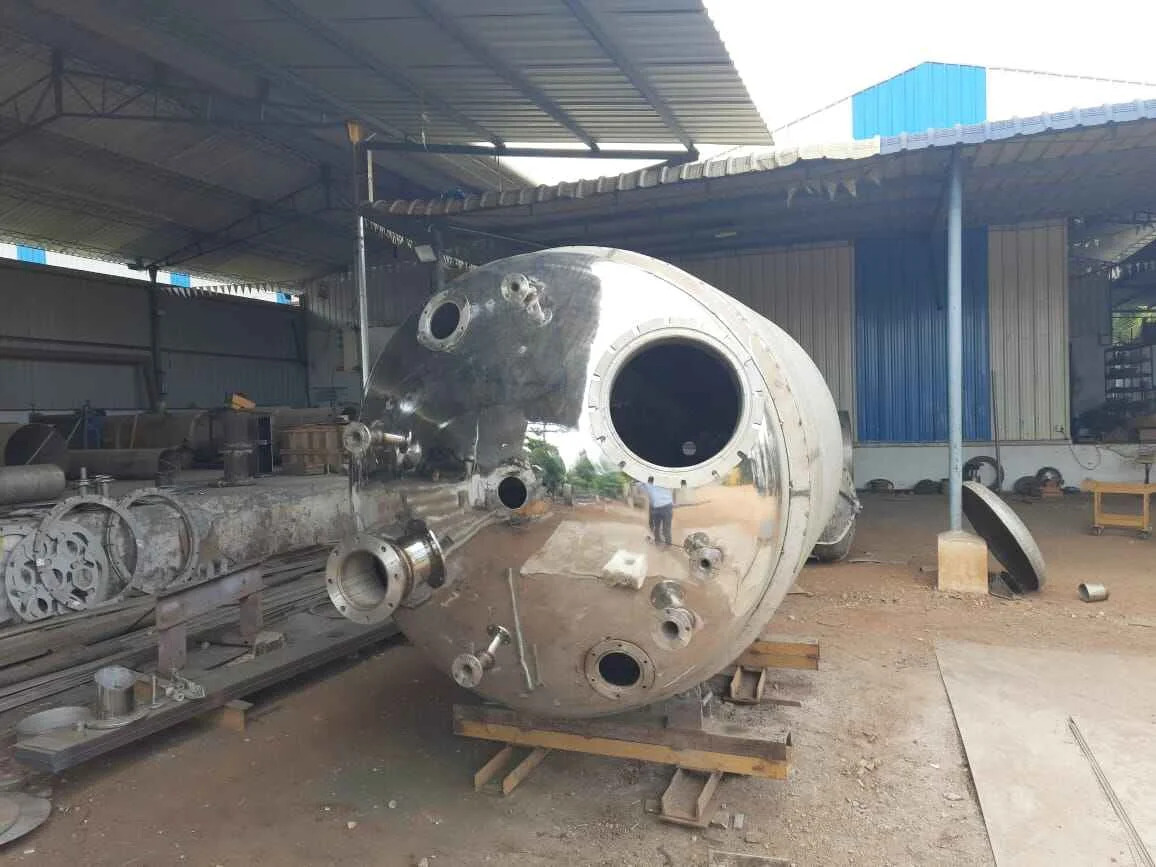
Extractor

An extractor is equipment used to separate, remove, or recover specific substances from water or wastewater. The exact design depends on what is being extracted (oil, solvents, gases, contaminants, or valuable chemicals).

Functions of an Extractor

  • Removes contaminants from water.
  • Recovers valuable chemicals or solvents.
  • Separates oil from wastewater.
  • Transfers dissolved substances from one liquid phase to another.

Working Principle (Liquid-Liquid Extraction)

  1. Wastewater enters the extractor.
  2. An extraction solvent is introduced.
  3. The target contaminant transfers from the water phase to the solvent phase.
  4. The two phases are separated.
  5. Treated water exits, and the extracted material is recovered from the solvent.

Applications

  • Industrial wastewater treatment.
  • Chemical and pharmaceutical manufacturing.
  • Petroleum and petrochemical industries.
  • Metal recovery processes.
  • Oil and grease removal systems.

Advantages

 1. Separation Process: The extractor typically involves a two-phase system, where the mixture is contacted with a solvent that selectively dissolves the desired compound. After extraction, the phases are separated, allowing for the recovery of the solvent and the extracted substance.

 2. Types of Extraction: Solvent extractors can be batch or continuous systems, depending on the scale of operation and specific requirements of the extraction process.

 3. Material Compatibility: Constructed from materials resistant to corrosion and compatible with various solvents, ensuring safe and efficient operation

 4. Efficiency: Designed to maximize extraction efficiency, minimizing solvent usage and maximizing the yield of the target compound.

 5. Recovery Systems: Often integrated with distillation or other recovery processes to recycle solvents, enhancing sustainability and reducing operational costs.